Free Delivery On Rs4500 | Delivery (2-7) Days | DC 250/- | Discount on Advance Payment


How to Wear Namaz Chadar: Simple Step-by-Step Guide

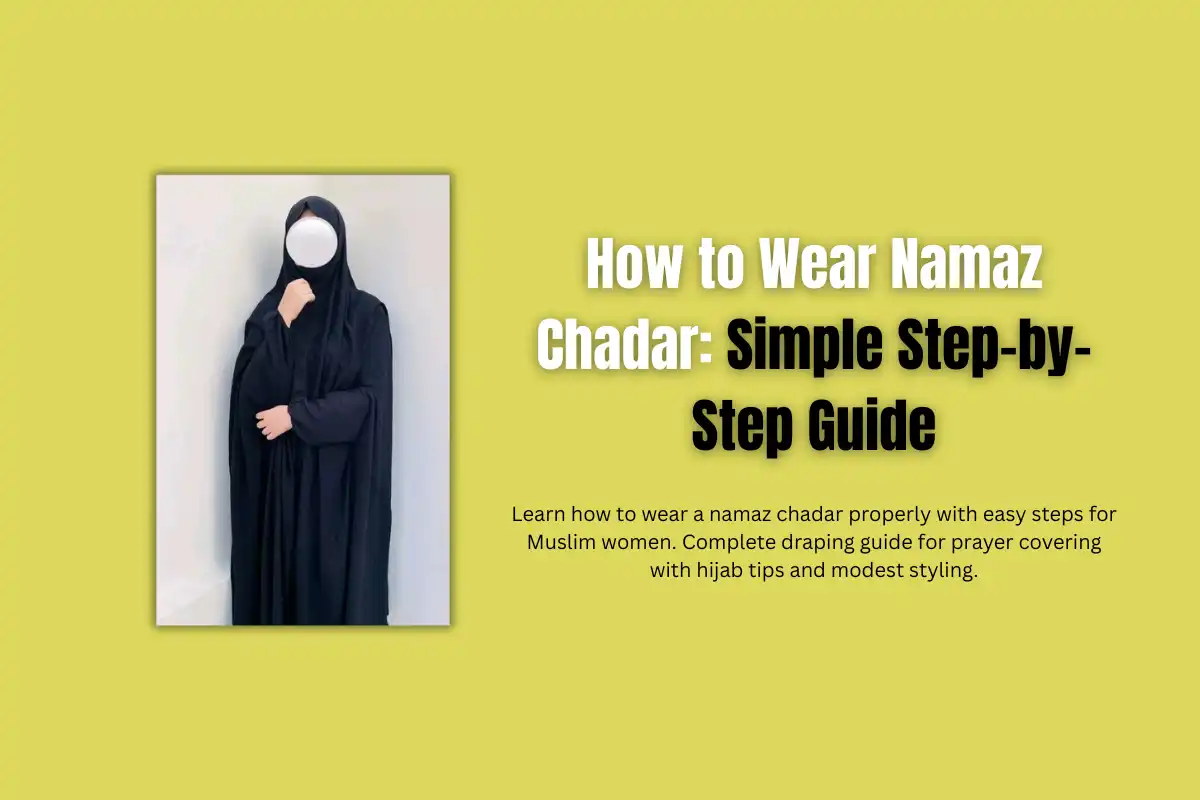
Wearing a namaz chadar correctly ensures your prayer is performed with proper modesty and focus. Whether you’re new to salah or looking to improve your technique, this guide provides clear, step-by-step instructions for draping your prayer chadar comfortably and securely.
A namaz chadar (also called prayer chadar, namaz ki chadar, or salah covering) is an essential garment for Muslim women during prayer. It covers the body from head to toe, fulfilling the Islamic requirement of hijab during salah. This comprehensive guide shows you exactly how to wear it properly.
Quick Answer: How to Wear Namaz Chadar
To wear a namaz chadar, place the chadar over your head so it covers your hair completely, ensuring the front edge sits at your forehead. Drape both sides over your shoulders, crossing them at your chest or bringing them under your arms. Pull the chadar down to cover your body to the ankles, ensuring no skin shows except your face and hands. Secure with pins if needed, and adjust for comfortable movement during ruku (bowing) and sujood (prostration).
What is a Namaz Chadar?
A namaz chadar is a single-piece prayer garment specifically designed for Muslim women to wear during salah (Islamic prayer). Unlike everyday hijab or abaya, the namaz chadar is typically:
- One-piece design covering from head to feet
- Made from lightweight, breathable fabric (chiffon, cotton, jersey)
- Available with or without elastic bands for secure fitting
- Often includes built-in sleeves or arm coverings
- Designed for easy movement during prayer positions
Why it matters: Wearing proper covering during prayer is part of Islamic modesty requirements outlined in the Quran and Hadith, ensuring your focus remains on worship rather than adjusting your clothing.
Types of Namaz Chadar
Understanding different styles helps you choose what works best:
| Type | Description | Best For |
| Traditional Chadar | Simple rectangular cloth | Those who prefer simplicity |
| Two-Piece Set | Separate top and skirt | Easy wearing, secure fit |
| Elastic Band Chadar | Built-in elastic at head | Stays in place without pins |
| Sleeve Chadar | Includes arm sleeves | Extra coverage, no slipping |
| Overhead Chadar | Pulls over like a poncho | Quick wearing, travel-friendly |
Popular choice in Pakistan: Elastic band chadars with sleeves provide the most secure and comfortable option for regular prayers.
Step-by-Step: How to Wear Traditional Namaz Chadar
Method 1: Basic Draping Technique
Step 1: Prepare Your Base
- Wear modest clothing underneath (long sleeves, ankle-length pants/skirt)
- Tie long hair in a low bun to prevent bulk
- Remove jewelry that might distract during prayer
Step 2: Position the Chadar
- Hold the chadar with both hands at the two top corners
- Place it over your head, centering it so equal fabric falls on both sides
- The front edge should sit at your hairline or slightly forward on your forehead
Step 3: Secure the Head Coverage
- Ensure all hair is completely covered
- The chadar should drape smoothly over your head without bunching
- Check that your ears are covered (Islamic requirement)
Step 4: Drape Over Shoulders
- Bring both sides of the chadar forward over your shoulders
- Cross the right side over to your left shoulder
- Cross the left side over to your right shoulder
- This creates an “X” pattern across your chest
Step 5: Secure the Body Coverage
- Pull the chadar down in front to ensure it reaches your ankles
- Tuck any excess fabric at the waist if needed
- Make sure your arms are covered when you raise them for takbir
Step 6: Final Adjustments
- Use safety pins to secure at the shoulders (optional)
- Pin under the chin if the chadar feels loose (optional)
- Test by bending forward to ensure it stays in place during sujood
Pro Tip: Practice a few ruku and sujood movements before starting prayer to ensure the chadar stays secure.
Method 2: Modern Elastic Band Chadar
Step 1: Position the Elastic
- Hold the chadar with the elastic band facing you
- Place the elastic band around your head like a headband
- Position it at your hairline, ensuring it sits comfortably
Step 2: Pull Over Head
- Pull the chadar back over your hair
- Ensure the elastic sits securely without being too tight
- Check that all hair is tucked inside
Step 3: Arrange the Fabric
- Let the chadar fall naturally over your shoulders and back
- Smooth out any wrinkles or bunching
- Ensure the front covers your chest completely
The front
Step 4: Check Coverage
- The front should reach your ankles
- The back should touch the floor when standing
- Sides should cover your arms when extended
Advantage: This method requires no pins and stays secure during all prayer movements, making it ideal for elderly women or those with arthritis.
Method 3: Two-Piece Namaz Set
Step 1: Wear the Top
- Put on the head covering piece first (similar to a long hijab)
- Ensure it covers your hair, neck, and chest area
- Some tops include arm sleeves, insert arms through
Step 2: Wear the Skirt
- Step into the elastic waist skirt
- Pull up to your waist level
- Adjust the length so it touches the floor
Step 3: Connect the Pieces
the
- Some sets have buttons or snaps connecting the skirt
- Secure all connection points for unified coverage
- Ensure no skin shows at the waist junction
Best for: Working women who need to wear and remove prayer clothing quickly at the office or those with mobility issues.
Common Mistakes to Avoid
❌ Mistake 1: Insufficient Head Coverage
Problem: Chadar keeps sliding back, exposing hair
Solution: Use an under-scarf cap (bonnet) beneath the chadar for grip and full coverage
❌ Mistake 2: Too Tight or Too Loose
Problem: Elastic band causes headaches, or chadar falls off
Solution: Choose the right size, chadar should feel secure but comfortable for 10-15 minutes of prayer
❌ Mistake 3: Wrong Fabric Choice
Problem: Heavy fabric causes overheating; slippery fabric won’t stay in place
Solution: Opt for breathable cotton in summer, jersey knit in winter, and avoid pure satin or silk
❌ Mistake 4: Ignoring Arm Coverage
a
Problem: Sleeves ride up during ruku, exposing forearms
Solution: Wear a full-sleeve undershirt or choose a chadar with built-in sleeves
❌ Mistake 5: Chadar Too Short
Problem: Ankles show when standing or during sujood
Solution: Chadar should be floor-length when standing—typically 56-60 inches for average height
Choosing the Right Namaz Chadar
Fabric Considerations
Best Fabrics for Pakistan Climate:
| Fabric | Season | Benefits | Drawbacks |
| Cotton | Summer | Breathable, absorbs sweat | Wrinkles easily |
| Chiffon | Spring/Autumn | Lightweight, elegant | Can be slippery |
| Jersey | Winter | Stretchy, warm | May be too warm in summer |
| Georgette | Year-round | Drapes well, moderate weight | Requires gentle washing |
For Pakistani women: Cotton blend chadars work best in hot climates like Lahore, Karachi, and Multan, while jersey is preferred in cooler areas like Islamabad during winter.
Size Guide
Height-Based Selection:
- 5’0″ – 5’3″: 54-56 inch length chadar
- 5’4″ – 5’7″: 58-60 inch length chadar
- 5’8″ and above: 62-65 inch length chadar
Width: Standard width is 40-45 inches to ensure adequate side coverage
Islamic Guidelines for Prayer Covering
What Must Be Covered
According to Islamic jurisprudence (fiqh) from major schools of thought:
Mandatory Coverage for Women in Salah:
- Entire body except face and hands
- Hair completely covered
- Neck and chest covered
- Arms covered to the wrists
- Legs covered to the ankles
- Feet may be covered or uncovered (difference of opinion)
Source: Based on interpretations of the Quran Surah An-Nur (24:31) and Surah Al-Ahzab (33:59), as explained by scholars at IslamQA.
the
Difference Between Daily Hijab and Prayer Covering
Daily Hijab:
- Can show face, hands, and sometimes feet
- Loose-fitting clothing acceptable
- Various styles permitted
Prayer Covering:
- Stricter coverage requirements
- Must not outline body shape during ruku and sujood
- Should remain secure without frequent adjustment
- Preferably covers feet during prayer
Tips for Comfortable Salah
Before Prayer
✅ Perform wudu (ablution) first before putting on your chadar to keep it dry
✅ Use the restroom beforehand to avoid interrupting prayer
✅ Choose breathable fabric so you can focus on prayer, not discomfort
✅ Test your chadar by performing a few practice movements
During Prayer
✅ Keep your chadar loose around the body for ease of movement
✅ Use lightweight pins that won’t poke during sujood
✅ Avoid tight elastic bands that cause headaches
✅ Position your prayer mat to ensure adequate space for the chadar length
After Prayer
✅ Hang your chadar on a hook rather than folding it immediately to prevent wrinkles
✅ Wash regularly (after 3-5 uses) to maintain hygiene
✅ Have multiple chadars for daily rotation
✅ Iron before use for a neat appearance and ease of draping
Teaching Children to Wear Namaz Chadar
Starting age: Most scholars recommend girls begin covering for prayer around age 7-9 as practice, though puberty marks the religious obligation.
Child-Friendly Approach
Make it Easy:
- Start with colorful chadars in favorite colors
- Choose soft, non-itchy fabrics (cotton jersey)
- Use elastic band styles for simplicity
- Keep the first attempts short (1-2 prayers)
Teaching Steps:
- Demonstrate on yourself first
- Guide their hands through the motions
- Use a mirror so they can see the proper positioning
- Praise their efforts to build positive associations
- Be patient with mistakes and readjustments
,
Shop tip: Explore our collection of namaz chadars for ladies including beginner-friendly options for young girls.
Caring for Your Namaz Chadar
Washing Instructions
Hand Wash (Recommended):
- Use mild detergent in cool water
- Gently squeeze—don’t wring or twist
- Rinse thoroughly to remove all soap
- Hang to dry in shade (sun can fade colors)
Machine Wash:
- Use a delicate cycle with cold water
- Place in a mesh laundry bag to prevent tangling
- Wash with similar colors
- Air dry or use low heat in the dryer
Storage
Best Practices:
- Fold neatly or drape over a hanger
- Store in a clean, dry drawer or closet
- Keep separate from daily clothing
- Use lavender sachets for freshness
- Avoid plastic bags (can trap moisture)
Maintenance
Longevity Tips:
- Replace elastic bands when they lose stretch
- Repair small tears immediately to prevent expansion
- Iron on low heat if needed (check fabric label)
- Rotate between multiple chadars to reduce wear
Video Tutorial: How to Wear Namaz Chadar
Where to Buy Quality Namaz Chadar in Pakistan
Online Options
Clothifydotpk.com: Our specialized collection offers:
- Premium fabric quality (cotton, jersey, chiffon)
- Multiple color options (white, black, pastels, prints)
- All sizes available (petite to plus size)
- Affordable pricing (PKR 800-2500)
- Cash on delivery across Pakistan
- Easy returns within 7 days
Benefits of shopping with us:
- Tested for prayer durability
- Customer reviews and photos
- Size guides for accurate selection
- Quick delivery to Lahore, Karachi, Islamabad, and beyond
Local Markets
Popular locations in Pakistan:
- Liberty Market, Lahore: Wide selection, good bargaining
- Tariq Road, Karachi: Variety of styles and prices
- Jinnah Super Market, Islamabad: Quality options for working women
- Anarkali Bazaar, Lahore: Traditional styles, budget-friendly
Bargaining tip: In local markets, start at 60-70% of the asking price and negotiate upward.
Special Considerations
For Pregnant Women
Comfort adjustments:
- Choose extra-large size for growing belly
- Opt for stretchy jersey fabric
- Avoid tight elastic waistbands
- Consider two-piece sets for easier wearing
For Elderly or Disabled
Accessibility options:
- Overhead pull-on style eliminates complex draping
- Magnetic closures instead of pins (arthritis-friendly)
- Chair-height length for those who pray seated
- Lightweight fabric (under 200 grams)
For Travelers
Travel-friendly tips:
- Pack a compact, wrinkle-resistant chadar (jersey or georgette)
- Choose darker colors that hide stains
- Bring spare safety pins in your travel case
- Consider a foldable prayer mat in matching color
Cultural Context in Pakistan
The namaz chadar holds special significance in Pakistani Muslim culture:
Traditional Practices
- Many Pakistani households keep white chadars as the standard
- Gifting chadars is common during Ramadan and Eid
- Mothers often gift their daughter’s first chadar when teaching prayer
- Some families have designated prayer rooms with chadars stored there
Modern Trends
Contemporary Pakistani women increasingly prefer:
- Printed and colored chadars beyond traditional white
- Designer prayer wear with embroidery or lace details
- Matching prayer mat and chadar sets
- Travel-sized compact versions for office and university
Fashion meets faith: Pakistani designers are creating beautiful, modest prayer wear that respects Islamic guidelines while offering aesthetic choices.
Religious Significance
Why Proper Covering Matters in Islam
According to Islamic teachings, proper covering during prayer demonstrates:
1. Respect for Allah (SWT):
Standing before the Creator requires appropriate dress, just as one would dress formally for meeting a dignitary.
2. Minimizing Distraction:
Proper covering allows the worshipper to focus entirely on prayer without worrying about exposed clothing or adjusting garments.
3. Following Prophetic Tradition:
The Prophet Muhammad (PBUH) emphasized the importance of proper attire for prayer for both men and women, as recorded in authentic Hadith collections like Sahih Bukhari and Sahih Muslim.
4. Community Standard:
Wearing appropriate prayer clothing maintains the dignity of worship, especially in communal prayers at mosques or gatherings.
Reference: For detailed Islamic rulings on prayer clothing, visit Dar al-Ifta, the official fatwa website for Islamic jurisprudence.
Frequently Asked Questions
Can I pray without a namaz chadar if I’m wearing modest clothes?
Yes, you can pray in modest clothes without a separate namaz chadar as long as your clothing meets Islamic coverage requirements: loose-fitting garments covering your entire body except face and hands, with hair fully covered by a hijab or scarf. However, many scholars recommend using a dedicated prayer chadar because regular clothing may ride up during ruku or sujood, potentially exposing the awrah. A proper namaz chadar ensures consistent coverage throughout all prayer positions and prevents the distraction of adjusting your clothing during salah.
How do I keep my namaz chadar from slipping during sujood?
To prevent slipping during sujood, use an under-scarf cap or bonnet beneath your chadar to create friction against your hair, choose chadars with built-in elastic bands that secure at the forehead, and secure the chadar with one or two safety pins at the shoulders or under the chin. Avoid slippery fabrics like pure satin—opt for cotton or jersey instead. Make sure the chadar is the proper length (reaching ankles when standing) so there’s enough fabric weight to hold it in place. Testing with practice movements before prayer helps identify adjustment needs.
What color namaz chadar should I choose?
Any color is permissible for a namaz chadar in Islam, though white is traditionally preferred because it’s associated with purity and was commonly worn during the Prophet’s time. Black, pastels, and other modest colors are equally acceptable. Avoid transparent or very thin fabrics regardless of color, and steer clear of bright, flashy colors that might distract during prayer. Many Pakistani women keep multiple colors—white for Ramadan and special occasions, darker colors for daily use (they hide stains better), and pastels for variety.
Do I need to cover my feet during namaz?
Covering feet during namaz is recommended but not mandatory according to the majority opinion among Islamic scholars from the Hanafi, Maliki, Shafi’i, and Hanbali schools of thought. The Prophet Muhammad (PBUH) stated that everything except the face and hands should be covered for women during prayer. Some scholars include feet in this requirement, while others consider them similar to hands. To be cautious, many women prefer to cover their feet with socks or let the chadar extend over them during prayer.
How many namaz chadars should I own?
Most women keep 2-3 namaz chadars for regular rotation, which allows for washing one while using another. Having multiple chadars is practical because they need regular washing (every 3-5 uses for hygiene), and rotating them extends the lifespan of each one. Many Pakistani households keep one chadar in the prayer area at home, one for travel or work, and a special one for Ramadan or Eid prayers. If you pray five times daily, consider having at least three chadars in your collection for convenience.
Conclusion
Wearing a namaz chadar properly is a simple yet meaningful practice that enhances your connection with Allah during prayer. Whether you choose a traditional rectangular chadar, a modern elastic-band style, or a convenient two-piece set, the key is ensuring complete coverage that stays secure throughout all prayer positions.
Remember these essential points:
✅ Choose the right size and fabric for your height and climate
✅ Ensure complete coverage of hair, neck, chest, arms, and legs
✅ Practice the draping technique before prayer to avoid adjustments during salah
✅ Maintain your chadar with proper washing and storage
✅ Focus on comfort so your attention remains on worship, not your clothing
Your namaz chadar serves as both a physical covering and a spiritual reminder of standing humbly before Allah. By selecting quality prayer wear and mastering proper draping techniques, you create the ideal conditions for focused, meaningful salah.
Explore our beautiful collection of namaz chadars for ladies at clothifydotpk.com, where modesty meets comfort and quality. We deliver across Pakistan with easy returns and cash-on-delivery options.
May your prayers be accepted, and may Allah guide us all to fulfill our worship with sincerity and devotion. Ameen.